July Housing Starts Slump 12.4%, Stagflation Risks Rise

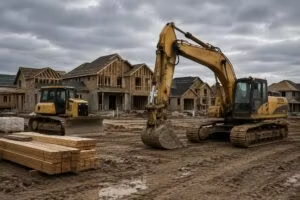 Home builders aren’t a happy bunch these days. The numbers show it. Mortgage rates have climbed since the start of the war in Iran, and high home prices are keeping buyers away. What’s more, rising material and construction costs eat into a homebuilder’s profits. So, many builders in America today are saying, “Why should we even start a new project?”
In July, housing starts, or new residential construction, dropped 12.4%. This is just another signal that an unwelcome mix of economic factors is brewing quietly in the background, and that is called stagflation.
Stagflation is a brutal mix of stagnant economic growth and high inflation. Stagflation is returning to our country and is an unwelcome visitor indeed. We are seeing the housing market stall, the job market slow and oil prices remain high. Some may remember the tough economic fallout from the stagflation of the 1970s when the Arab oil embargo and Iranian revolution pushed oil prices sharply higher.
What Is Stagflation?
For investors and consumers, stagflation is one of the worst environments to navigate. Rising inflation erodes your purchasing power, while economic slowdown tanks corporate earnings and the stock market collapses. The standard diversified 60/40 stock/bond portfolio craters during stagflation as both asset classes decline.
During stagflation, stocks sink, and bond prices go down. Cash loses its value amid inflation.
How Does Gold Perform During Stagflation?
Research shows that gold has been a clear winner in stagflationary times, with a 22% gain, according to Schroders research. Gold stands alone as the key asset that historically has thrived and climbed during stagflation.
J.P. Morgan notes that:
- Over the last five times the S&P 500 declined 20%, gold has averaged a 6% return.
- Historically, when U.S. year-over-year Consumer Price Index inflation has been between 3% and 4%, gold has averaged a one-year return of 13%.
This makes sense. Gold is a safe-haven asset that gains during times of economic uncertainty. When stocks fall, investors turn to the safety of gold. When inflation rises, investors seek to protect their purchasing power with gold.
The Big Picture
The latest housing market data is another canary in the coal mine. The 12.4% slump in housing starts serves as a stark warning light. The issues contributing to stagflation are no longer just theoretical risks, but actual challenges to economic growth. The parallels to the 1970s serve as a strong reminder that traditional diversification strategies don’t provide the protection they once did.
If you want to protect and grow your wealth and diversify away from vulnerable paper assets, gold is a proven and time-tested anchor capable of weathering upcoming storms. Precious metals preserve value when conventional markets fail to deliver. Do you own enough?