Could You Have a $1M Penny? The Truth About the 1943 Bronze Lincoln Cent
Posted on — Leave a commentImagine finding a penny worth over $1 Million sitting quietly in your pocket. It sounds impossible, but that is exactly what the rare 1943 bronze Lincoln cent represents. A coin born of a wartime mistake that turned ordinary change into a legend collectors chase to this day.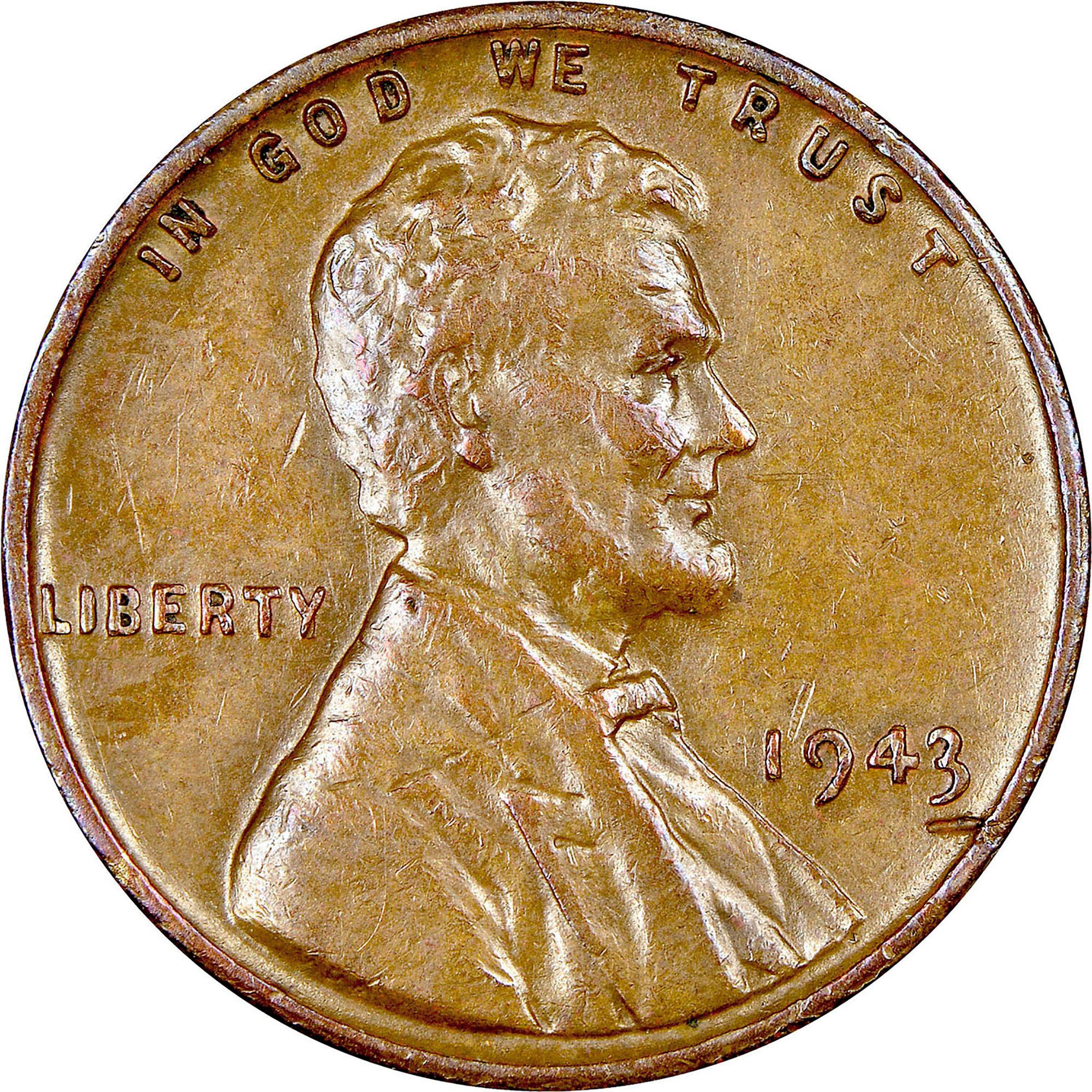
This is a story of history, error, and the thrill of holding something no one expected to survive.
Why Pennies Changed in 1943
At the height of World War II, every resource mattered. As the war intensified, copper was needed for military use, not everyday coinage. But the country still needed pennies, so the U.S. Mint turned to the next best option: steel.
The result was a silver-colored penny that looked strange and unfamiliar to Americans. Yet it stood as a powerful symbol that the nation was willing to adapt and make changes in daily life to support the war effort.
The Minting Mistake That Created a Legend
The transition from bronze to steel was expected to be seamless. For the most part, it was. But a few leftover bronze planchets from 1942 remained inside the Mint’s machinery. They were struck with 1943 dies and released into circulation.
That single mistake created one of the rarest coins ever produced, with only around 21 to 24 known examples in existence today.
- Philadelphia (no mintmark): 15-17 known
- San Francisco (S): 5–6 known
- Denver (D): 1 known
Because no official records exist of copper cents being struck in 1943, numismatists classify these pieces as “transitional errors.” The only “explanation” is simple, 1942 bronze planchets remained hidden in tote bins or hoppers and were inadvertently fed into the presses once steel production began. From that small oversight came one of the greatest rarities in American coinage.
The Coin That Started It All
In 1947, a teenager was looking through his change and immediately noticed a brown, bronze 1943 penny. Since the penny had a single year of steel production a few years before, he knew this one wasn’t supposed to exist. The idea that this coin could be real, and a mistake felt nearly impossible. How does an error like that happen? Well, it does.
The coin was authenticated and confirmed as real. After that, it sparked a nationwide search to find other mistakenly minted 1943 bronze pennies. This single discovery changed everything. Even today, people still look through their change, hoping to find one of these incredibly rare coins.
Denver’s One-of-a-Kind 1943 Bronze Cent
Only one Denver example is known, the coin stands in a class entirely its own. It is arguably the most valuable small cent ever. Graded PCGS MS64BN, it boasts remarkable detail, with some experts suggesting it may have been double-struck to bring out an unusually sharp impression. That level of precision has fueled long-standing speculation that this coin may not have been a simple accident, but rather a deliberate creation by a Mint employee who understood exactly what they were producing.
Whether it slipped through the presses by accident or was quietly created on purpose, the Denver 1943 Bronze Cent embodies a level of mystery few coins can match.
Could This Rare Penny Be in Your Pocket
What makes the story even more interesting is where these coins have popped up. True 1943 bronze cents have been discovered in everyday places moving unnoticed through pocket change, school cafeterias, and even slipping out of gumball machines. If it can be found in any of these places, could it be in your pocket? Let’s go through the steps to see if your penny is the penny.
Start with the color, because that is going to tell you a lot right away. A real example should have that classic brown or copper look you expect from an older penny. If it shows up silver, that is your first red flag.
Next, grab a magnet and give it a quick test. Steel cents will stick instantly, while bronze will not react at all. Another easy way to rule a coin out.
Then there is the weight. It might seem small, but you can usually feel the difference. Bronze coins have a slightly heavier, more solid feel compared to steel.
The Hunt Continues
Even though only a handful of these pennies exist, the idea that one might still be hiding in circulation keeps collectors on the hunt. Every jar of change is a potential treasure chest, and every coin holds a story. Next time you reach for a penny, take a closer look. You might just be holding history in your hand.