From Gas Prices to Jobs: 5 Economic Stories Moving Markets
Posted on — Leave a commentIf you’ve been watching the headlines, it’s been nerve wracking to say the least. Bombs falling in the Middle East, rising oil prices, strong job numbers, and higher inflation are reshaping expectations for Fed policy and interest rates. Here’s what’s driving financial markets right now and what it means for precious metals investors.
1. Oil Prices Jump, Inflation Fears Are Back
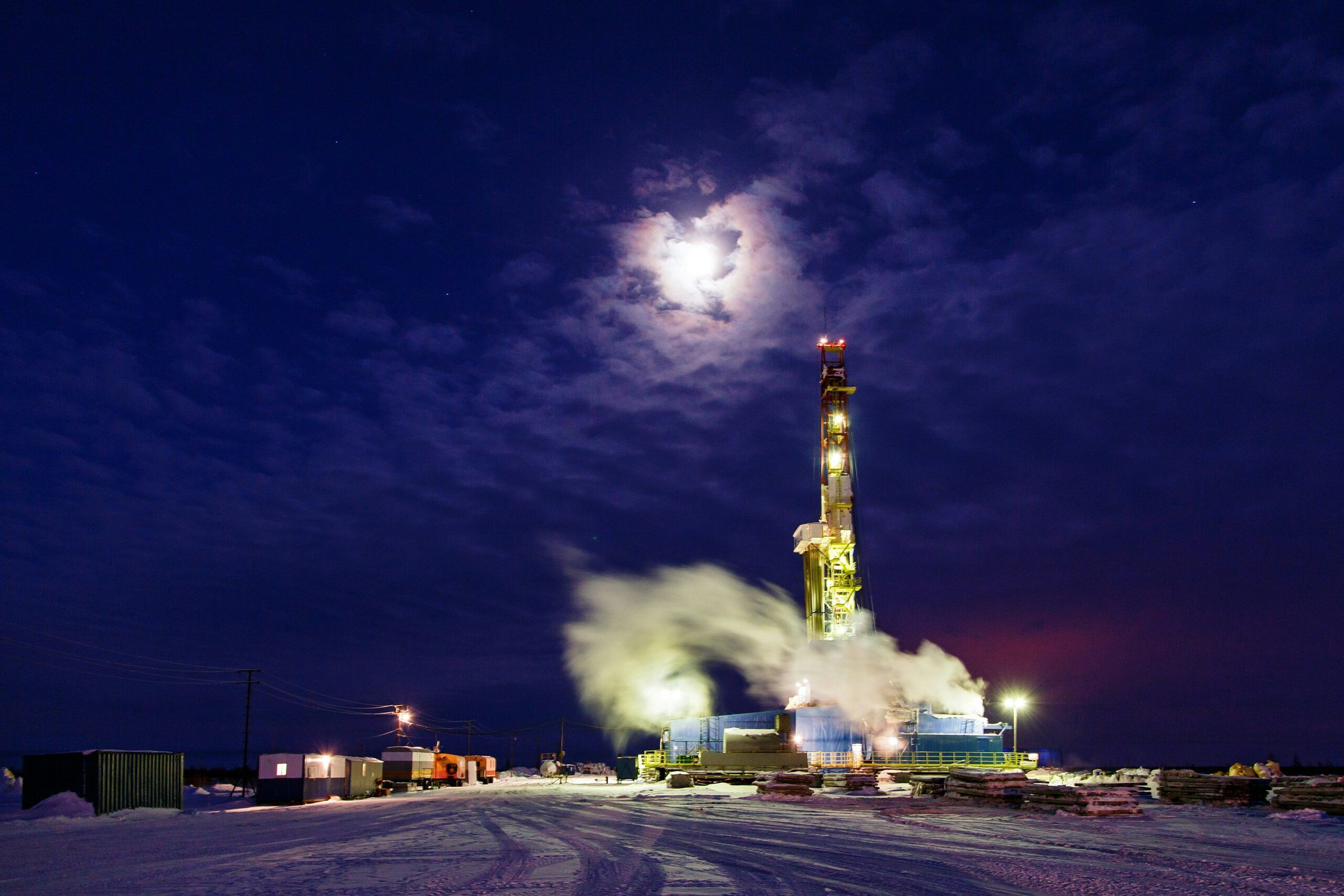
The U.S.-Israel war against Iran has created an energy crisis of huge proportions. The current energy shock is worse than the oil and gas crises of 1973, 1979, and 2022 altogether, said Fatih Birol, the executive director of the International Energy Agency (IEA). In March, global oil prices posted their biggest surge in history following the war driven supply shock.
Higher gas and energy prices ripple through nearly every part of the economy, squeezing profit margins, consumer budgets and raising inflation. Americans are seeing this firsthand at the pump. The national average price of gasoline jumped nearly 12 cents per gallon in the last week, averaging $4.06 a gallon on April 6. The national average is up 65.1 cents a gallon from a month ago and stands 85.0 cents per gallon higher than a year ago, according to GasBuddy
What It Means for Gold
Higher energy prices cause inflation and slow economic growth. Gold thrives during inflationary periods and was one of the best performing assets during the 1970’s period of stagflation (slow growth and high inflation).
2. The Jobs Market Is Stronger Than Expected
The March jobs report was much stronger-than-expected. Nonfarm payroll jobs soared by 178,000 in March versus Wall Street’s expectations of a 65,000 increase. The data was gathered before the U.S-Israel war against Iran started, so this is not reflective of the post-war environment. Nonetheless, this suggests the Federal Reserve will likely be on hold for at least several months.
What It Means for Gold
Stay tuned if these stronger job numbers hold up throughout the spring and summer months. The impact of high energy costs will increase inflation and could cause employers to pull back on hiring as they are less able to pass the rising costs along to consumers. Gold typically benefits from a pullback in the jobs market.
3. Mortgage Rates Jump At Start of Spring Home Buying Season
Since the Iran war started, 30-year fixed mortgage rates surged from just below 6% to a 7-month high at 6.46%. Credit card and auto loan rates are also edging up, making borrowing more expensive across the board.
The impact to everyday Americans is real. For example, let’s say you bought a home this week for $398,000, with a 20% down payment and a 6.46% mortgage rate, you’d pay about $2,383 per month. That’s about $100 more per month than you would have paid if you had bought the house in February at a 5.98% mortgage rate. Over the life of the loan, you’d pay about $36,000 more paid toward interest.
What It Means for Gold
Higher borrowing costs slow economic growth as fewer Americans can afford to buy homes, cars or even expensive appliances. Gold benefits during periods of economic stagnation and recession.
4. Fed Policy Outlook Is Changing Fast
Wall Street has dialed back its expectations for interest rate cuts this year. This week, one Fed official, Beth Hammack, president of the Federal Reserve Bank of Cleveland, even said if inflation remains elevated, a rate hike could be needed. Markets had priced in multiple interest rate cuts this year, but those expectations are fading fast.
What It Means for Gold
A Fed on hold is neutral for gold. Rising interest rates could be a slight negative for gold. But, on balance given the other macroeconomic influences, a rate hike would not derail gold’s long-term uptrend, especially since the Fed would be hiking in response to rising inflation.
5. The IMF Warns The Global Economy Is Skating On Thin Ice
Higher inflation and weaker economic growth ahead are inevitable for the global economy as a consequence of the Iran war, the head of the International Monetary Fund said this week. Prior to the war, the IMF was expected to increase its expectations of global growth in 2026. Even after the end of the Iran war, severe damage has been done to the global energy supply chain, which could take years to rebuild fully.
“We are in a world of elevated uncertainty,” IMF managing director Kristalina Georgieva said pointing to geopolitical tensions, technological advancements, climate shocks and demographic shifts. “All of this means that after we recover from this shock, we need to keep our eyes open for the next one.”
What It Means for Gold
Precious metals are the ultimate safe-haven during global crisis. Gold and silver are a proven store of value and wealth building tool with a 5,000 year track record. As global growth slows and economic geopolitical uncertainty increases, demand for the safety and security of gold and silver will remain strong.
The Bigger Picture: Gold’s Uptrend Remains Intact
Gold slipped about 12% from its high since the Iran war began as traders liquidated precious metals holdings in order to cover losses elsewhere. The modest retreat in gold and silver offers long-term investors the opportunity to trade fewer paper dollars for more physical metals.
The world is increasingly becoming a more dangerous place, several influential policymakers and organizations are warning today. You can benefit today from an increased allocation to precious metals. Gold and silver are smart investments in a dangerous world because they act as safe haven assets that retain and climb in value during wars, geopolitical crises, inflation, and stock market downturns. Precious metals helps to bullet-proof your portfolio to hedge shocks. Don’t wait, this pullback in precious metals won’t last long.