Gold shines bright as war, rising oil and inflation erode wealth
Posted on — Leave a commentHave Fed Officials Given Up on the Inflation Fight?
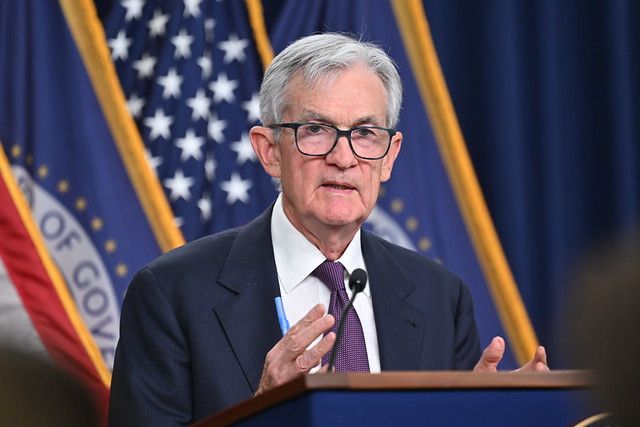
On Wednesday, the Federal Reserve voted 11-1 to hold its key interest rate steady at 3.5-3.75%, as a new energy shock from the Iran War threatens to worsen the central bank’s five-year-long battle with inflation.
The Fed came into the meeting faced with new economic and market challenges following the U.S.-Israeli military strikes on Iran that began on February 28. Rising global oil prices from the conflict are expected to push inflation even higher and weigh on economic growth.
February PPI showed a big jump in Inflation
Fresh news on inflation released this morning revealed that producer price index inflation rose sharply by 0.7% in February—the annual inflation rate jumped to 3.4%. The core rate, which excludes food and energy, climbed to 3.9%, the Bureau of Labor Statistics said.
Markets React
Oil soared toward $110 a barrel on Wednesday after Israeli strikes on a major gas field in Iran, and the stock market continued its recent sell-off. Gold slipped lower as traders priced in a higher-for-longer interest rate outlook. Gold typically benefits when the Fed lowers interest rates.
“The implications of developments in the Middle East for the U.S. economy are uncertain,” Fed officials said in their post-meeting statement. Governor Stephen Miran dissented, as he called for a quarter-point interest rate reduction.
Fed Forecasts One Interest Rate Cut in 2026
Looking out on the horizon, Fed officials forecast for one interest rate cut in 2026. The market had largely been pricing in two interest rate cuts in 2026. Fed officials also released updated economic forecasts, expecting economic growth at 2.4% in 2026. In a big shift, Fed officials raised their outlook for 2026 inflation to 2.7%, from 2.4%.
The Bigger Picture
The U.S. is now five years into a period of inflation that sits above the Fed’s 2% target. Following the inflation spike in 2022, which saw CPI climb to just above 9%, inflation has retreated, but not been vanquished. In order to fully extinguish inflation, the Fed would need to raise interest rates, which it has appeared unwilling to do in recent months.
A New Fed Chair Is Coming To Town
Soon, the Federal Reserve will see fresh leadership. Fed Chair Jerome Powell’s term expires in May and President Trump has nominated Kevin Warsh to replace him.
Warsh stated publicly during the Fed selection process that he thought interest rates should be lower. President Trump has also consistently called on the Fed to lower interest rates.
Concerns the Federal Reserve may be losing its independence helped boost gold to its all-time record high earlier this year. And, if Wall Street becomes convinced that Fed policymakers are no longer committed to fighting inflation, gold would see fresh demand.
Gold, unlike the U.S. dollar, has been a proven store of value over time. As your U.S. dollars lose purchasing power, gold has been gaining in value. Gold gained over 50% in 2025 and has climbed as much as 15% since the start of this year.
Gold Stands Strong in the Face of War, Inflation and Falling Stocks
The historic uptrend in gold in recent years isn’t about short-term momentum—it’s being powered by deep, lasting forces in the global economy. Inflation has proven far more “sticky” than many expected, as higher costs for energy, housing, and essentials linger month after month. On top of that, the conflict with Iran continues to inject geopolitical risk into markets, prompting investors worldwide to seek out safe, tangible assets like gold and silver.