El Niño Means Inflation May Hit Harder in 2027

 It’s not just weather forecasters who are watching how El Niño will unfold; investors are paying attention too.
What Is El Niño?
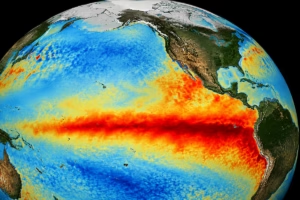
El Niño is a warming of surface waters in the Pacific Ocean. It arrives every two to seven years and typically lasts about 10 months. The warming ocean waters impact weather patterns across the globe. Some regions get stormier conditions while others see drought.
El Niño and Gold Performance
Over the past 30 years, there were 9 El Niño cycles. Gold climbed in eight of the nine El Niño periods, averaging a 9% price gain.
Why does gold climb during these weather events?
Investors turn to gold as a haven as agricultural supply shocks, regional droughts, and rising inflation are typically seen during El Niño cycles.
Current El Niño Started in June
In June 2026, U.S. National Oceanic and Atmospheric Administration (NOAA) officially declared a new El Niño pattern had started.
The U.S. National Oceanic and Atmospheric Administration (NOAA) projects a 75% chance this El Niño will be the strongest since 1950. This matters because the weather pattern isn’t confined to the Pacific Ocean. The impact extends into key agricultural growing areas where the world grows its food. NOAA’s models signal that the El Niño conditions are expected to peak in December through February, which matches the main South American planting and crop development period.
What’s next?
It’s more than shifting weather patterns, new research from the Federal Reserve Bank of San Francisco warns that El Niño could push U.S. inflation higher in 2027. So, this weather pattern could impact global commodity production, inflation, and markets.
From Weather to the Grocery Aisle
El Niño can bring drought to major producing regions in Southeast Asia, Australia and parts of Africa, while flooding or erratic rainfall disrupts output elsewhere. Crops that depend on predictable weather suffer. Rice, wheat, palm oil, sugar, cocoa and coffee are all sensitive to these swings. When crop yields fall, supply tightens, and prices for food commodities climb on the global markets.
The Fed’s Inflation Warning
The San Francisco Fed’s researchers estimate that this El Niño may already have lifted headline price levels by roughly 0.3 percentage point between April and July. The bigger finding is what comes next. The inflation effect could return in 2027 and add as much as a full percentage point to prices.
Deeply integrated global markets means Americans are vulnerable to global food supply chain shocks, even for food grown on the other side of the globe. A drought in one hemisphere can mean a higher grocery bill in another.
One More Log on the Inflation Fire
What’s more, El Niño is not arriving in a vacuum. Inflation has run above the Fed’s 2% target for more than five years. Pandemic-era supply chain disruptions started the inflation cycle. A sharp increase in tariffs in 2025 added another layer. Higher global oil prices since the war in Iran began earlier this year added to inflation pressures even more.
The Fed is being forced to fight inflation coming from multiple fronts. And a weather-driven food shock is the sort of supply-side problem that the Fed may have a tough time taming. Raising interest rates does not make it rain in the right places.
How Gold Protects Your Portfolio
Inflation is getting stronger and building on many fronts.
Gold has been a store of value for five thousand years. Bullion serves as a hedge against inflation, because it cannot be printed and holds its purchasing power as paper currencies lose theirs.
A meaningful allocation to physical gold is a proven method to build protection for your portfolio that performs no matter what type of economic shock comes next. Gold’s role in your portfolio is constant. Gold can preserve and grow your wealth amid changing global conditions.
The San Francisco Fed has warned us inflation will get worse. Is your portfolio ready?