1943 Steel Penny Value: What It’s Worth and Why

Reach into a jar of old wheat pennies and one coin will stand out immediately: a Lincoln cent the color of a dime. The 1943 steel penny is the only circulating U.S. coin ever struck in steel, born in a single wartime year when the Mint surrendered its copper to the war effort.
More than a billion were made, which is why most examples today cost less than a cup of coffee, and why the exceptions can be worth five or six figures. This article explains what determines 1943 steel penny value, which varieties and errors command real money, and how to check the coin in your hand.
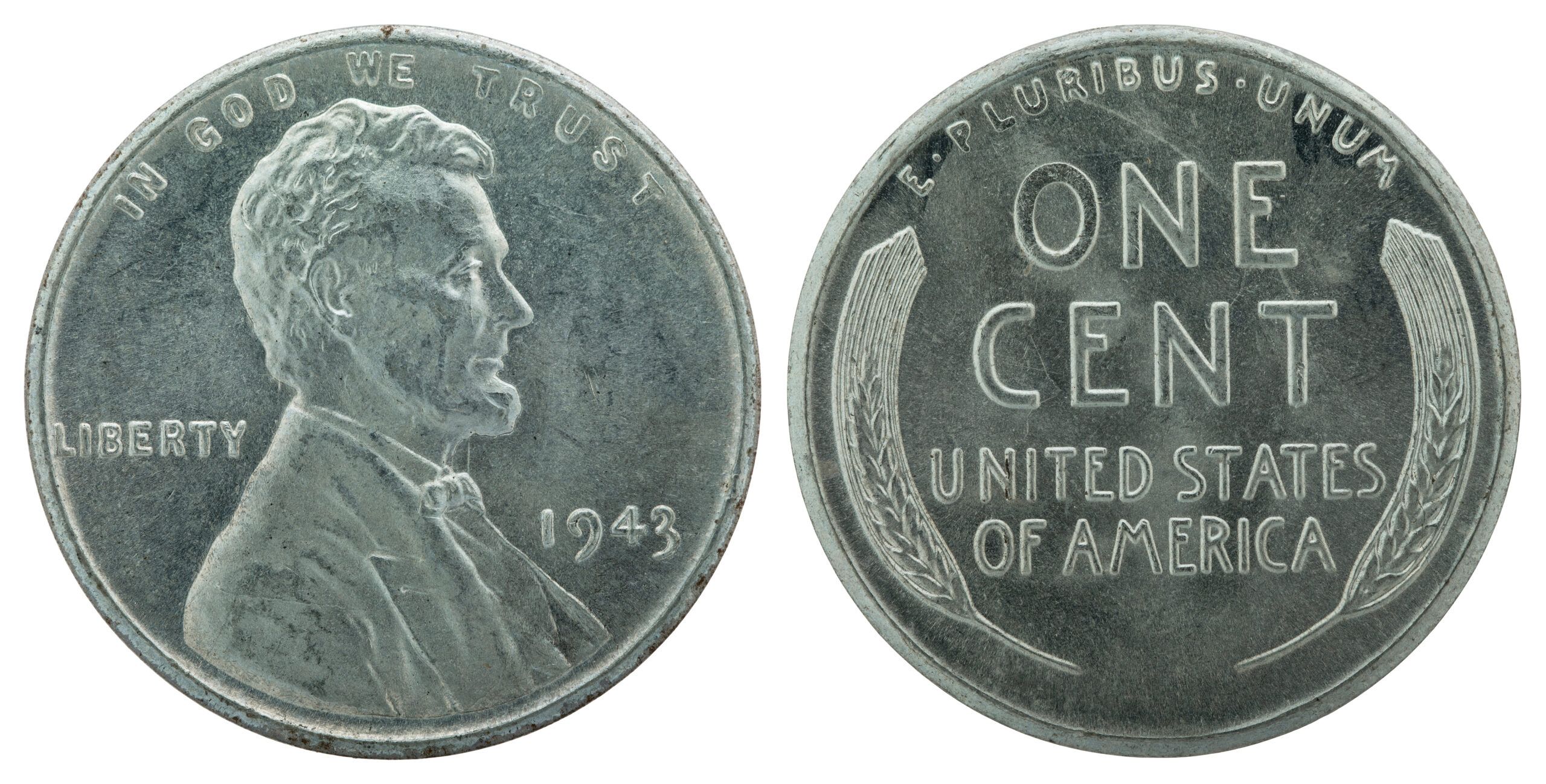
- Most circulated 1943 steel pennies are worth less than a dollar; more than a billion were struck.
- Certified gems bring real money: roughly $85 in MS-66, $575 in MS-67, and $2,000 to $4,700 at auction in MS-68.
- The record for a regular steel cent is $33,600, set by an MS-68+ in 2020.
- Try a magnet: sticking means the normal steel cent. A 1943 penny that does not stick could be a bronze error worth six figures.
- No mint mark means Philadelphia, not an error.
The Penny That Went to War: Background and History
Why the Mint Struck Pennies in Steel
By early 1943, America’s war production was consuming copper at a rate that alarmed Washington. Shell casings, wiring, and communications equipment all demanded the metal, and the humble cent, struck in bronze since 1864, suddenly looked like a luxury.
The Treasury authorized a search for substitute materials, and the experiments ran surprisingly wide: trial pieces were made in plastics, and the Mint even tested glass cent prototypes before settling on a practical answer.
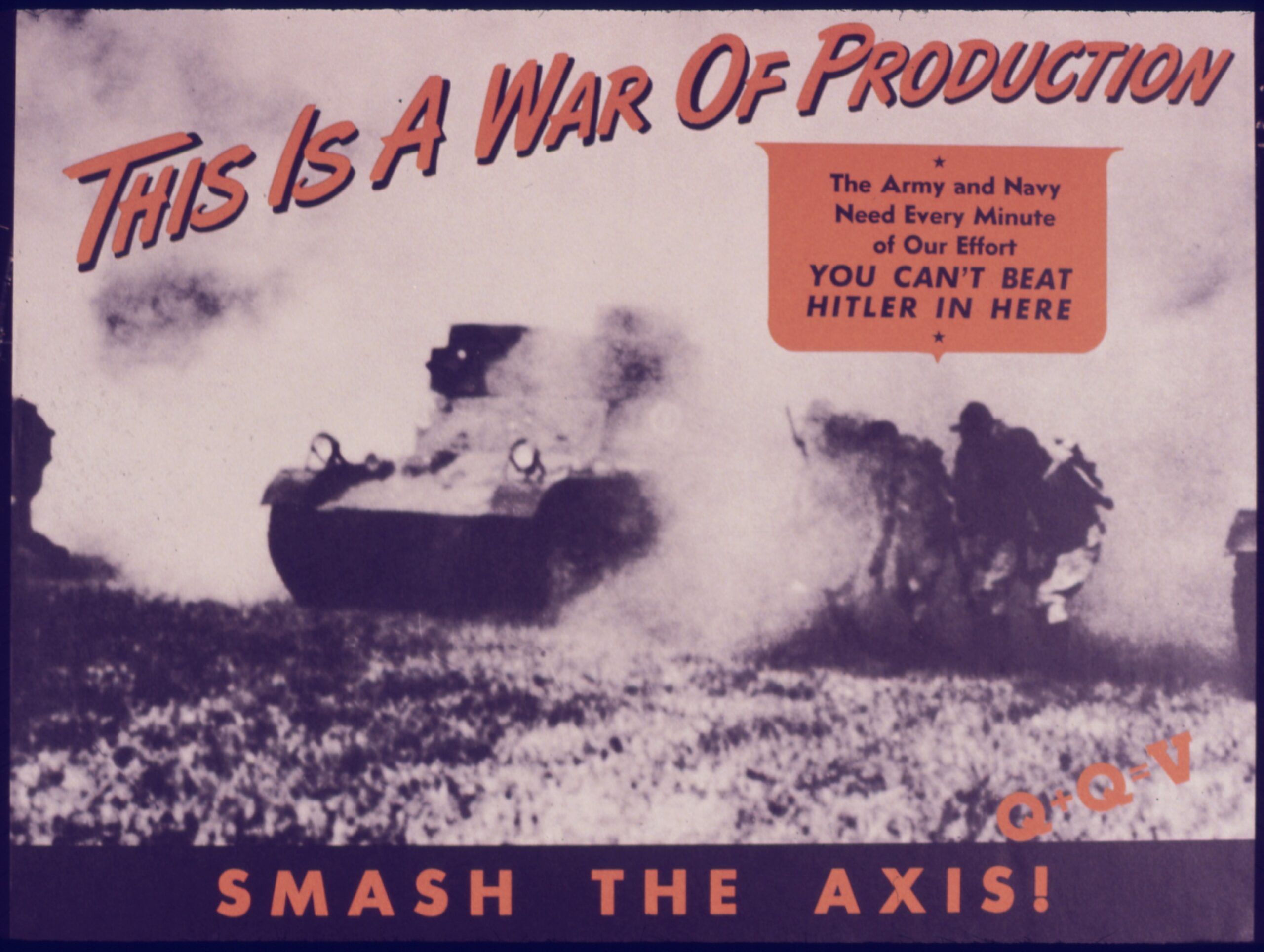
That answer was a planchet (the blank disc a coin is struck on) of low-carbon steel with a thin zinc coating to slow corrosion. For one year, and one year only, the familiar red cent turned silvery white.
The U.S. Mint struck steel cents at Philadelphia, Denver, and San Francisco in 1943, and never again for circulation. No proof cents were made that year.
Three Mints, More Than a Billion Coins
Production was enormous. Philadelphia struck 684,628,670 steel cents, roughly three times the output of each branch mint. Denver added 217,660,000 and San Francisco 191,550,000, bringing the year’s total past one billion coins.
Those mintages are the single most important fact about 1943 steel penny value: this is a common coin, and honest dealers will tell you so before anything else.
A One-Year Experiment That Nobody Loved
The public’s romance with the “silver penny” lasted about as long as its shine. Fresh steel cents were routinely mistaken for dimes at the register.
Worse, the zinc coating dulled quickly to a chalky gray, and once moisture reached the exposed steel edge, the coins rusted, something no American had ever seen a penny do. The Treasury heard the complaints, and in 1944 the Mint returned to a brass alloy, sourced in part from expended shell casings.
The steel cent became a one-year curiosity, hoarded in drawers precisely because it looked so strange. That hoarding is why tens of millions survive today.
The great irony of 1943 is that the year’s legendary rarities are the pennies that weren’t steel. A few leftover bronze planchets from 1942 sat in the Mint’s hoppers, were fed into the presses, and emerged as 1943 bronze cents, among the most famous error coins in American numismatics. More on those below.
Historical context America in 1943
- The penny wasn’t the only coin the war changed: from late 1942 the five-cent piece gave up its nickel, needed for armor plate, and was struck in a copper-silver-manganese alloy instead. Collectors call them “war nickels.”
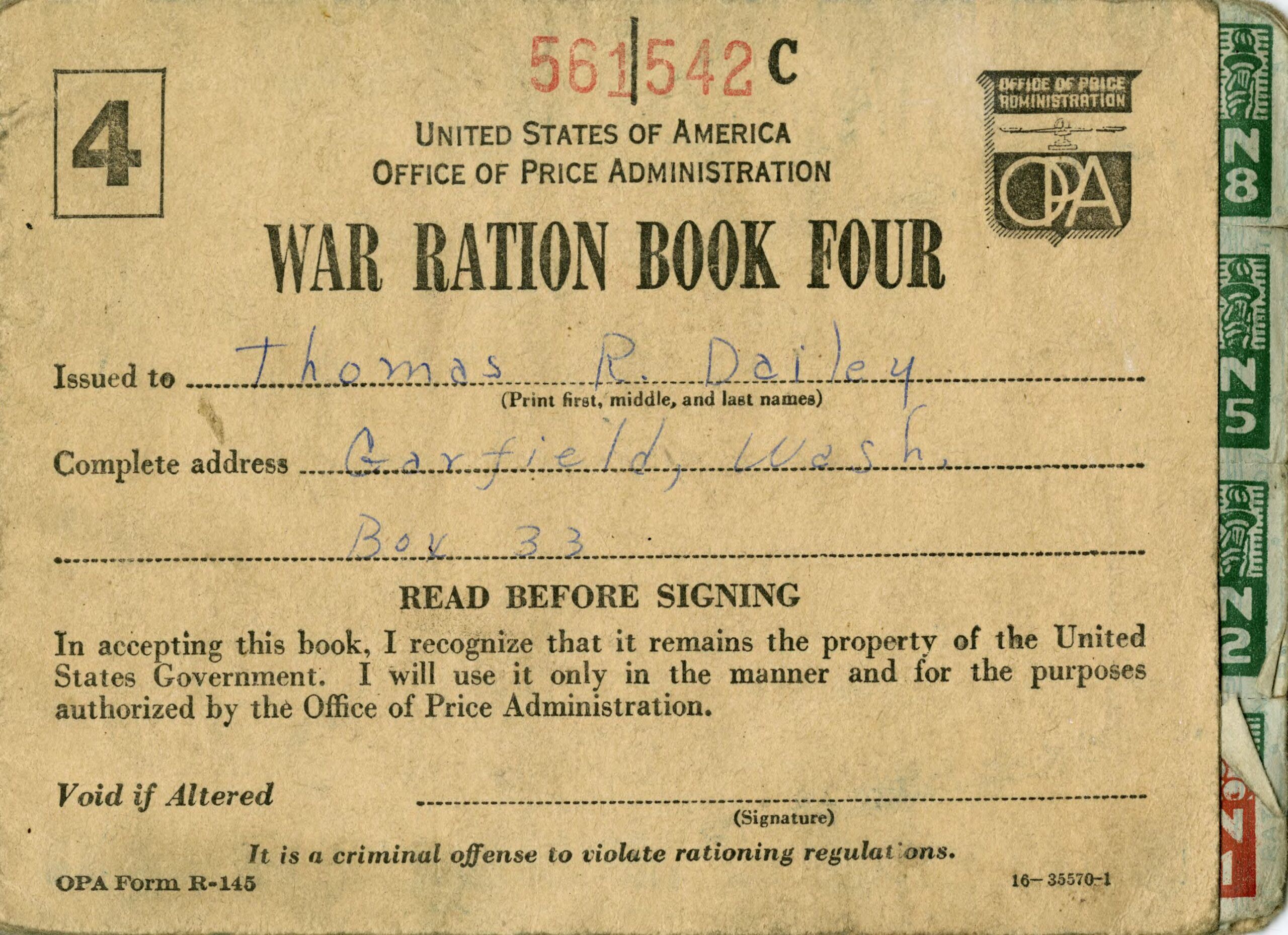
- 1943 was the peak of rationing. Meat, cheese, butter, shoes, and gasoline all required government ration stamps alongside cash.
- A penny still bought things: a first-class stamp cost 3 cents, and a daily paper ran about the same.
- The federal minimum wage was 30 cents an hour.
- The war was turning: Allied troops landed in Sicily in July, and Italy signed an armistice in September.
- In the movie houses, Casablanca had just opened nationwide that January.
What Determines 1943 Steel Penny Value Today?
Here is the honest baseline: a worn 1943 steel cent is worth pocket change, not a fortune.
Roughly 68 million Philadelphia examples alone are estimated to survive, and circulated coins trade for well under a dollar. Value concentrates in three places: exceptional preservation, the scarcer branch mints in top grades, and the error coins.
Condition and Grading
Steel is harder than bronze, and the Mint compensated in 1943 with fresh dies and higher striking pressure. The unintended gift to collectors: steel cents come sharper and more lustrous than almost any other wheat cent.
More of them survive in MS-68 than any other date in the series. That abundance keeps mid-range prices modest and makes the very top tier genuinely competitive.
The PCGS price guide (as of August 2026) tells the story in one line: MS-65 lists at $37, MS-66 at $85, MS-67 at $575, and MS-68 at $4,250. The jump between those last grades is where serious money enters.
In MS-68, PCGS estimates only about 75 Philadelphia survivors, the scarcest of the three mints at that level. No example has ever graded finer.
If you want to understand why two visually similar coins can differ by a factor of fifty, professional grading is the whole answer.
Mint Marks: No Mint Mark, D, and S
Check under the date. No mint mark means Philadelphia, a small “D” means Denver, and an “S” means San Francisco.
A 1943 steel penny with no mint mark is the most common of the three, which surprises searchers hoping the missing letter signals an error. It doesn’t; Philadelphia simply didn’t use one.
In circulated condition the three mints are worth about the same. In gem condition the branch mints pull ahead modestly, and at the MS-68 level all three become four-figure coins.
Denver holds a particular distinction: fewer than 200 examples are estimated in MS-68, none finer, and collectors compete hard for them, as the auction table below shows.
The Errors That Make Headlines
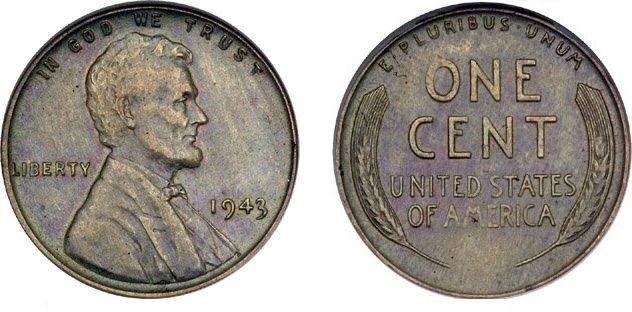
The 1943 bronze cent is the reason this date makes the evening news. PCGS confirms roughly 15 to 17 examples from Philadelphia, six from San Francisco, and a single Denver coin, a unique piece regarded by many as the most valuable small cent in existence.
The stories are half the fun. One Philadelphia example was found in circulation by a teenager named Marvin Beyer, Jr. in 1957; he turned down a $20,000 offer for it that same year. The identical coin brought $372,000 in the Bob R. Simpson sale at Heritage Auctions in February 2021. Another, discovered by a Massachusetts high schooler in his cafeteria change in 1947, stayed with him for seven decades before selling for $204,000 in January 2019.
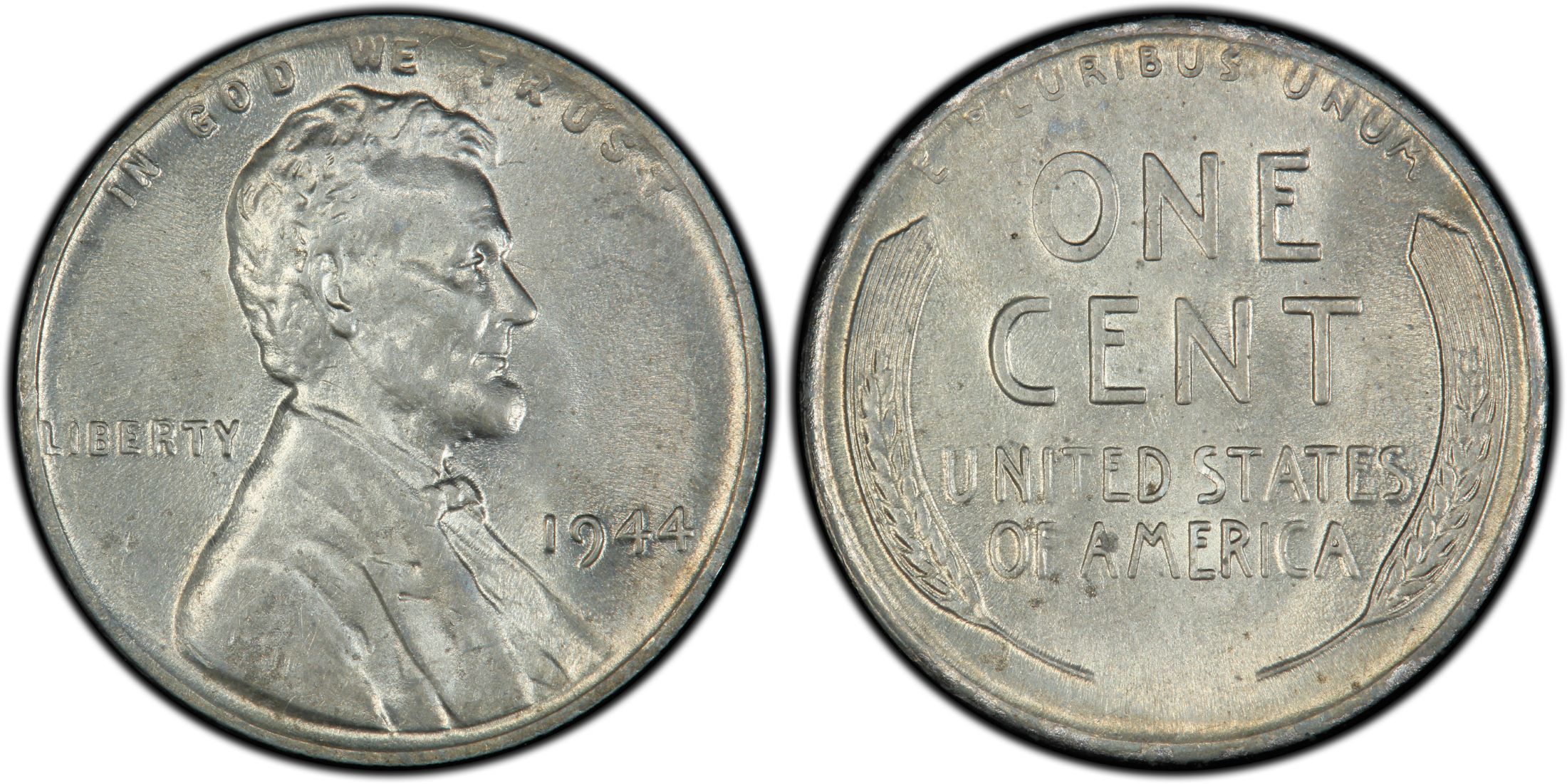
The error runs the other direction too: a handful of steel planchets lingered into 1944, creating 1944 steel cents that are far rarer than their 1943 counterparts.
And within the regular steel issue, two varieties reward a close look: a significant doubled-die obverse for 1943 Philadelphia, and the 1943-D/D repunched mint mark, where the “D” was punched twice into the die slightly offset.
Notable Auction Records
| Coin and Grade | Price Realized | Auction House | Sale Date |
|---|---|---|---|
| 1943 bronze cent (error), MS-62BN | $372,000 | Heritage Auctions | February 2021 |
| 1943 MS-68+ | $33,600 | Stack’s Bowers | November 2020 |
| 1943-S MS-68+ (Prooflike) | $21,960 | Heritage Auctions | January 2026 |
| 1943-D MS-68+ | $19,520 | Heritage Auctions | January 2026 |
| 1943-S MS-68 | $4,758 | Heritage Auctions | May 2026 |
| 1943 MS-68 | $3,600 | Stack’s Bowers | March 2026 |
How to Check Your 1943 Steel Penny
Key Features and Specifications
A genuine 1943 steel cent measures 19.00 millimeters across, weighs 2.70 grams, and has a plain edge. The design is Victor David Brenner’s familiar Lincoln portrait with the wheat-stalk reverse, and his initials, VDB, sit on the truncation of Lincoln’s shoulder.
Color ranges from bright silvery gray on preserved examples to dull slate, often with rust spots where the zinc coating failed. A coin with full original luster and clean fields is the exception worth a closer look; one with dark corrosion or pitting will always trade at the bottom of the range, whatever its grade.
Spotting Altered and Counterfeit Coins
Almost all fakery around this date aims at the bronze cent. Four checks settle most questions at the kitchen table.
- The magnet. Steel sticks, bronze doesn’t. A 1943 cent that clings to a magnet is the common steel issue, no matter how coppery it looks; plating a steel cent in copper is the oldest trick in this game.
- The scale. A genuine bronze cent weighs 3.11 grams against the steel cent’s 2.70.
- The date. The classic forgery starts from a 1948 bronze cent, with the 8 carved into a 3. On a genuine 1943, the 3 has a long, flat tail; a stubby, curled 3 betrays the alteration.
- The initials. Brenner’s VDB belongs on the truncation of Lincoln’s shoulder. Missing initials are a warning sign.
Given what genuine examples bring, no raw “1943 copper penny” should ever be bought or sold without third-party certification.
When Professional Appraisal Makes Sense
For a worn steel cent, an appraisal costs more than the coin is worth, and an honest evaluator will say so. Certification earns its fee in three cases:
- A 1943 cent that fails the magnet test and passes the weight test
- Any steel cent with claims to gem preservation (MS-65 or better)
- Suspected varieties like the doubled die or D/D
Professional services like PCGS or NGC provide authentication and a grade the market trusts. If you’ve inherited a batch of wheat cents and aren’t sure what deserves a second look, Blanchard’s numismatists can evaluate coins like these and tell you which ones matter.
A Collector’s Perspective
The 1943 steel cent occupies a friendly corner of the market. It’s a genuine piece of World War II history that can be owned for pennies, which makes it one of the best first coins for a new collector or a curious kid, and a natural entry point for building a collection on a budget.
Unlike silver coins, it has no melt-value floor. Steel and zinc are worth effectively nothing, so the coin’s value is purely numismatic and rests on condition and collector demand.
The trade-offs are real. Common-date steel cents will likely stay common forever, and corrosion risk means careless storage can turn a nice example into a poor one; keep them dry, in inert holders.
The reward structure sits at the top of the grading scale and in the varieties, where certified populations are small and demand is durable, a pattern collectors also chase in coins like the 1955 doubled-die Lincoln cent. In a series this popular, coins with a story and a tiny certified population have historically found eager buyers.
Frequently Asked Questions
1. How much is a 1943 steel penny worth today?
Most circulated 1943 steel cents are worth less than a dollar. Uncirculated examples with bright original luster typically bring a few dollars to a few tens of dollars, certified gems in MS-66 to MS-67 run from under $100 to several hundred, and MS-68 examples have sold at auction for $2,000 to $4,700 in recent years.
2. Is a 1943 penny that sticks to a magnet worth anything?
A magnetic 1943 cent is the normal zinc-coated steel issue, so it’s worth face value to modest collector money depending on condition. The magnet test matters in reverse: a 1943 cent that does not stick could be a genuine bronze error worth six figures, and deserves professional authentication immediately.
3. Which 1943 penny is worth $1,000,000?
The headline-makers are the 1943 bronze cents, struck by mistake on leftover copper planchets. Around two dozen exist across all three mints. The unique 1943-D bronze cent is considered by many the most valuable small cent in existence, and public sales of other bronze examples have reached $372,000.
4. What does it mean if my 1943 steel penny has no mint mark?
It was struck in Philadelphia, which used no mint mark in 1943. With over 684 million made, the no-mint-mark version is the most common of the three, so the missing letter is not an error and adds no premium.
5. Did Henry Ford really offer a new car for a 1943 copper penny?
No. The rumor circulated for decades and sent thousands of people hunting through their change, but Ford never made such an offer. The irony is that a genuine 1943 bronze cent is now worth far more than a new car anyway.
6. Are 1944 steel pennies valuable?
Yes, considerably more so than the 1943 steel cents. A few steel planchets left over from 1943 were struck with 1944 dies, creating a scarce transitional error. If you find a silvery cent dated 1944 that sticks to a magnet, have it authenticated.
Conclusion
The value of a 1943 steel penny comes down to a hierarchy: common circulated coins worth pocket change, gem-certified examples worth real money at MS-67 and above, small varieties like the D/D worth a careful look, and the bronze errors, which occupy a different universe entirely.
The checks take minutes: read the mint mark, try the magnet, weigh the coin, and judge the surfaces honestly. Steel cents reward the collector who knows exactly where the line between common and exceptional sits.
Ready to add certified wheat cents or other classic American rarities to your collection? Explore Blanchard’s inventory of rare coins to see what a difference authenticated quality makes.
Want to read more? Subscribe to the Blanchard Newsletter and get our tales from the vault, our favorite stories from around the world and the latest tangible assets news delivered to your inbox weekly.