From California Mines to the Atlantic: The Journey of the 1857-S Double Eagle
Posted on — Leave a commentGold, Chaos, and the Need for Money in the California Gold Rush
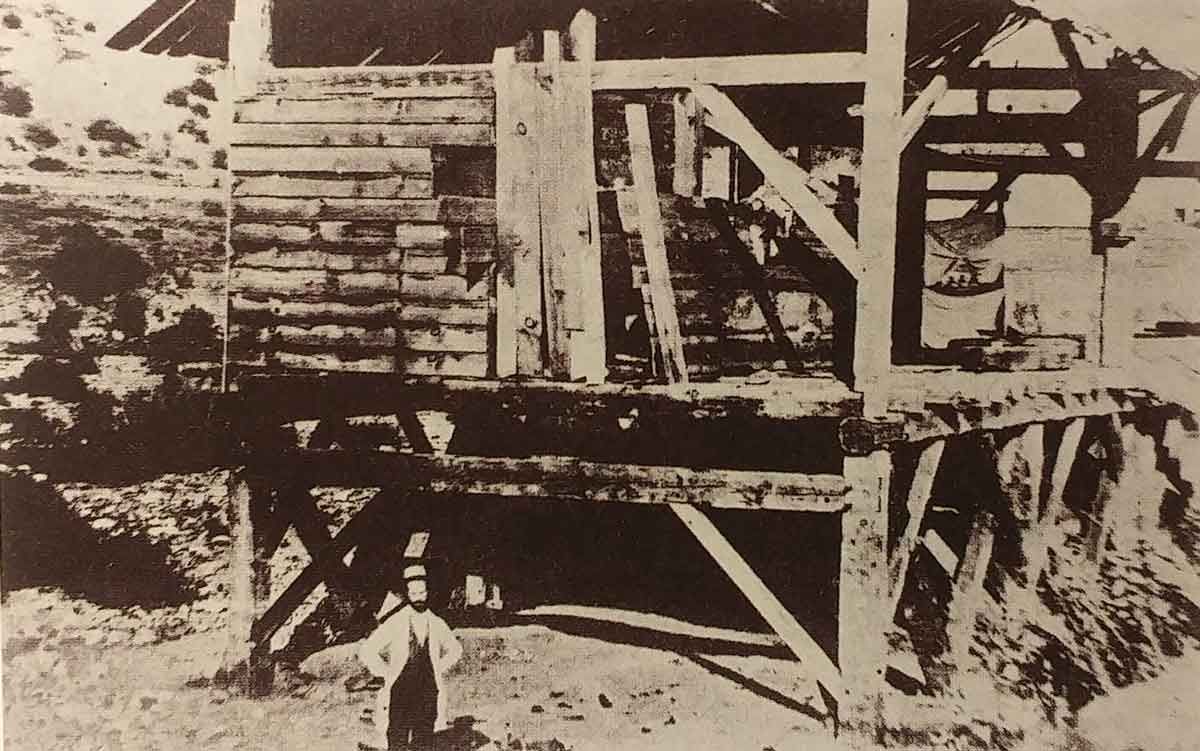
When gold was discovered at Sutter’s Mill in 1848, the event triggered one of the most dramatic migrations in American history: the California Gold Rush. Overnight, the remote frontier of California became the center of global attention as prospectors, merchants, and entrepreneurs rushed west in search of opportunity.
But there was a serious problem: gold was plentiful, yet standardized money was scarce. In the early days of the rush, miners and merchants traded raw gold dust and nuggets, often weighed on small scales. Values fluctuated widely, fraud was common, and commerce remained inefficient. The rapidly expanding economy desperately needed reliable coinage.
To stabilize the nation’s monetary system amid the chaos of the Gold Rush, the United States Mint established a branch facility in San Francisco in 1854. Among the most important coins produced there was the $20 Liberty Head Double Eagle, a large gold denomination authorized during the monetary reforms of the Gold Rush era. These coins became the backbone of large transactions in the American West and played a crucial role in transporting newly mined wealth across the country.
One of the most fascinating survivors from this era is the 1857-S $20 Liberty SSCA Bold S PCGS MS64, a coin whose story spans the Gold Rush, transcontinental commerce, and one of the most famous shipwrecks in American history.
The Path of California Gold to America’s Banks
Coins like the 1857-S Double Eagle rarely stayed in California long.
Freshly struck coins like the 1857-S Double Eagle were routinely loaded onto steamships departing San Francisco. These vessels carried gold shipments down the Pacific coast toward Panama City, where passengers and cargo crossed the Isthmus of Panama by rail or mule caravan. On the Atlantic side, the treasure was loaded onto another vessel bound for New York City, the financial heart of the United States.
One of those ships was the sidewheel steamship SS Central America. Often called the “Ship of Gold,” it carried tons of freshly minted Double Eagles, gold ingots, and private shipments from miners, banks, and merchants eager to move their wealth east.
Among those coins was the 1857-S Double Eagle that would later become known as an SSCA (SS Central America) treasure coin.
The Fury of the Hurricane and the Sunken Treasure
In September 1857, disaster struck.
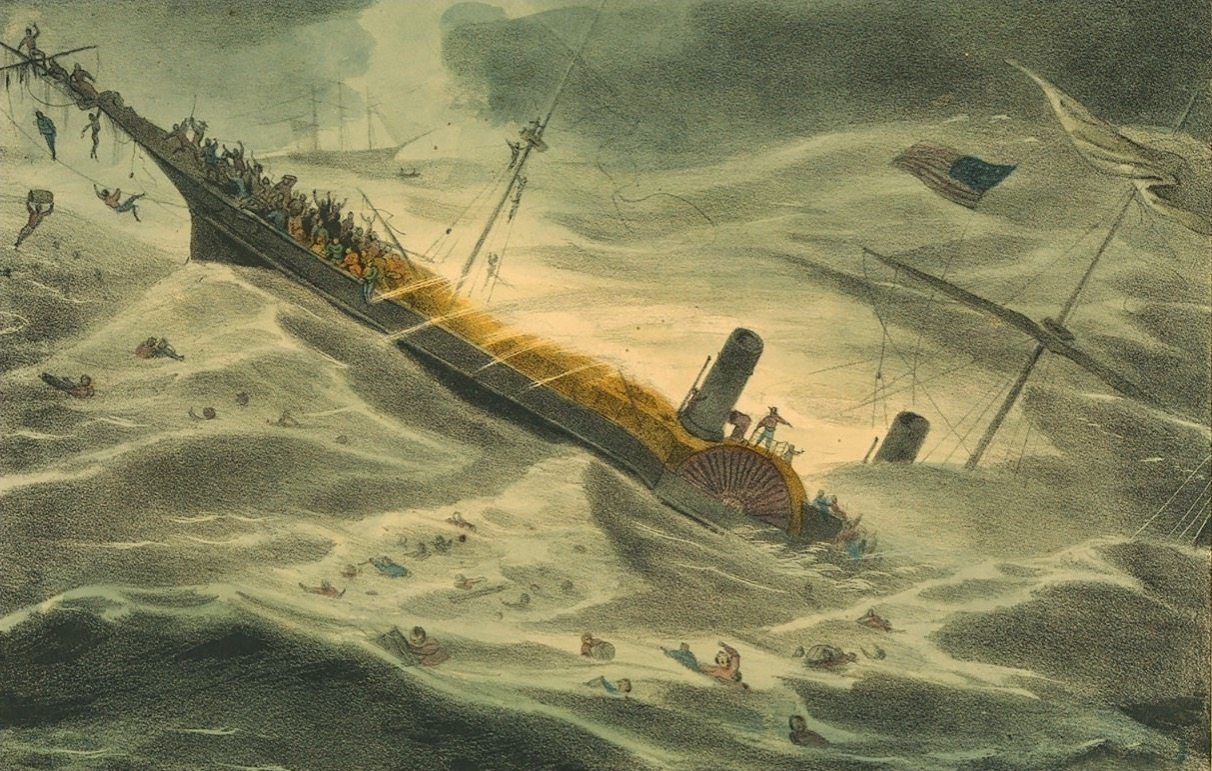
While sailing north along the Atlantic coast after leaving Havana, the SS Central America encountered a powerful hurricane off the coast of the Carolinas. The storm battered the vessel for days, destroying sails, flooding the engine room, and eventually disabling the ship entirely.
On September 12, the SS Central America shipwreck claimed the vessel roughly 160 miles off the coast of South Carolina. Hundreds of lives were lost, along with tons of gold destined for eastern banks. The sudden loss of this massive shipment of gold sent shockwaves through the nation’s financial system, sparking the Panic of 1857 and leaving banks and investors reeling from the unexpected crisis.
A Pristine Survivor of the Gold Rush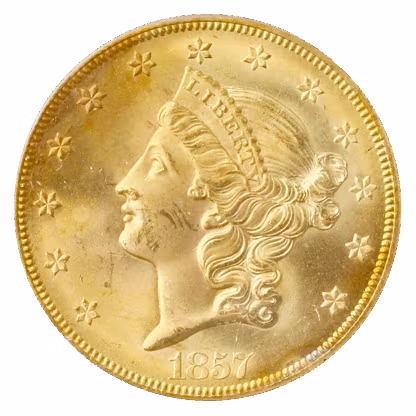
When the wreck of the SS Central America was finally rediscovered in 1988, it revealed one of the most extraordinary treasure finds in numismatic history. Thousands of gold coins were recovered from the ocean floor, many preserved in astonishing condition thanks to the deep-sea environment.
The 1857-S $20 Liberty SSCA Bold S PCGS MS64 stands among these extraordinary survivors. Despite spending over 130 years beneath the Atlantic, the coin retains remarkable luster and detail. Certified MS64 by PCGS. More importantly, this coin represents far more than its gold content. It is a tangible artifact of the California Gold Rush, the rise of the San Francisco Mint, and the legendary voyage of the SS Central America.
Few coins carry such a dramatic journey: from the mines of California, to the presses of the San Francisco Mint, to the depths of the Atlantic Ocean, and finally back into the hands of collectors.
At Blanchard and Company, we have placed SSCA coins with collectors for many years and continue to work closely with clients seeking treasures recovered from the historic SS Central America.