Palladium vs Platinum: Which Precious Metal Offers Better Investment Value?

In 2021, palladium exceeded platinum’s price by over $1,000 per ounce – a remarkable reversal for two metals that historically saw platinum trade at a premium. Platinum and palladium belong to the same metal family and share many industrial applications, yet they follow distinct market dynamics that make each a different kind of investment proposition. This palladium vs platinum guide breaks down the key differences between the two to help investors understand which metal, or what combination of both, makes sense for their portfolio.
Physical and Chemical Properties
The palladium vs platinum debate often starts with appearance but the two metals differ in ways that matter both industrially and as investments.
Atomic Makeup and Weight
The two metals sit close together on the periodic table as platinum-group metals (PGMs), but platinum is significantly denser at 21.45 g/cm³ versus palladium’s 12.02 g/cm³, and melts at a higher temperature. This makes platinum more resilient under heat and stress, which influences where each metal gets used industrially.
Color and Appearance
The platinum vs palladium color difference is subtle. Both metals are silvery-white, and telling them apart visually without testing is difficult. Platinum has a slightly deeper, cooler tone while palladium’s finish is marginally brighter. Both are highly resistant to tarnish and corrosion. Platinum develops a soft patina over time, while palladium tends to retain a brighter finish. In jewelry, these distinctions are subtle but they can influence long-term appearance.
Hardness and Durability
When it comes to palladium hardness vs platinum, palladium is marginally harder than platinum on the Mohs scale, but the two metals wear differently. When platinum is scratched, it displaces rather than loses material, meaning the metal moves rather than disappears. Palladium, by contrast, can actually shed material over time. This is why platinum remains the preferred choice for fine jewelry, particularly for prong settings holding gemstones, despite its higher cost. In industrial applications, this same characteristic makes platinum better suited to high-stress environments.
For investors, these physical differences are largely background knowledge, but they underpin why the two metals serve different industrial roles and therefore face different demand dynamics.
Rarity and Mining Production
Platinum vs palladium rarity is often misunderstood. Both metals are extraordinarily rare – far scarcer than gold, which is mined in volumes more than ten times greater annually. Yet despite their similar rarity, their supply chains look quite different, and that distinction carries real implications for investors.
Global Production
Platinum production runs at roughly 180 metric tons per year and palladium slightly higher at around 210 metric tons – a fraction of global gold output, which reflects just how scarce these metals are. Both occur in the earth’s crust at only a few to a few dozen parts per billion, placing them among the rarest naturally occurring elements on the planet. Palladium is largely produced as a by-product of nickel mining, while platinum is often mined from primary platinum-group metal deposits, though both are influenced by broader base-metal production economics. This makes supply relatively inelastic: when prices rise, miners cannot simply increase output quickly.
Geographic Concentration
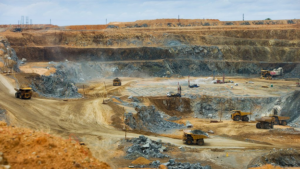
Large South African open-pit mining operation with haul trucks and excavation equipment
Source: Mining Weekly
Platinum supply is heavily concentrated in South Africa, which accounts for 70-80% of global production. Palladium’s supply is more evenly split, with Russia and South Africa each contributing around 40%. This geographic difference is significant. South Africa’s mining sector is exposed to labor disruptions and infrastructure challenges, while Russia’s role as a major palladium supplier means that changes in trade policy, export flows, or international relations can influence market supply. For investors, both metals carry supply-side sensitivity, but the drivers differ.
Industrial Demand Drivers
Understanding what drives demand for each metal is arguably the most important factor for investors, because it determines how sensitive each metal is to shifts in global industry.
Automotive Catalytic Converters
The automotive sector dominates demand for both metals, but platinum vs palladium in catalytic converters serve different engines – a distinction that has major market implications.
Platinum and Diesel
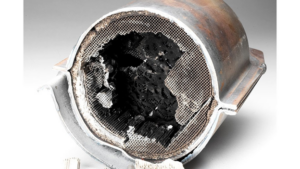
Cross-section of an automotive catalytic converter containing platinum used in vehicle emissions control
Source: Recycling Today
Platinum is the primary metal used in diesel engine catalytic converters, where it helps break down harmful emissions. As a result, platinum demand is closely tied to the health of the diesel vehicle market (particularly in Europe, historically its largest market) which has been in structural decline since the 2015 emissions scandal damaged consumer confidence.
Palladium and Gasoline
Palladium is the dominant metal in gasoline engine catalysts and benefits from the global preference for petrol vehicles. As emissions regulations have tightened worldwide, the amount of palladium required per vehicle has increased, amplifying demand. This concentrated dependence on a single application, however, also makes palladium more vulnerable to disruption, particularly from the long-term transition toward electric vehicles, which require neither metal in their drivetrains.
Substitution
When the price gap between platinum and palladium becomes extreme, automakers have an incentive to redesign catalytic converters to use more of the cheaper metal. This process takes time due to engineering and regulatory requirements, but over the long run it can shift demand and help narrow large price imbalances between the two.
Beyond Automotive
Both metals have industrial applications outside the automotive sector, though the extent and diversity of those uses differs significantly between the two.
Platinum’s Industrial Range
Platinum plays a role in a surprisingly broad range of industries. In chemical processing, it serves as a catalyst in the production of nitric acid and other compounds. In petroleum refining, it is used in catalytic reforming to improve fuel quality. The glass industry relies on platinum for high-temperature manufacturing equipment, particularly for fiber optics and LCD glass. Platinum also has a meaningful presence in the medical sector, used in certain cancer treatments and medical devices.
Palladium’s Industrial Applications
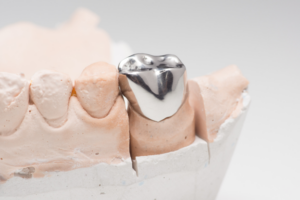
Close-up of a palladium dental crown fitted on a tooth model
Source: Majescor
Palladium’s non-automotive industrial use is narrower but still significant. It is widely used in electronics, particularly in multilayer ceramic capacitors found in smartphones and computers. Dentistry has historically been a notable application, though its use there has declined over time. Palladium also plays a role in hydrogen purification, where its unique ability to absorb and release hydrogen makes it valuable in clean energy research.
Jewelry
Platinum has a substantial jewelry market, particularly in China and Japan, where it is associated with prestige and purity. This demand provides a meaningful price floor that palladium simply does not have, as palladium’s jewelry market is negligible by comparison.
For a deeper look at how these demand dynamics are shifting in real time, watch this video
Historical Price Relationships
For most of their traded history, platinum commanded a significant premium over palladium. That relationship has since inverted and understanding how and why tells investors a great deal about how these markets work.
A Long-Term Reversal
For decades, platinum typically traded at a meaningful premium to palladium, often in the range of 1.2 to 1.6 times the palladium price. The shift began around 2015, when the Volkswagen emissions scandal triggered a sharp decline in European diesel demand, undermining one of platinum’s primary use cases. Palladium, meanwhile, benefited from surging gasoline vehicle production and tightening emissions standards globally. By 2019, palladium had overtaken platinum, and by 2021 the palladium vs platinum cost relationship had inverted dramatically, with palladium reaching record highs while platinum remained well below its own historical peaks.
Recent Convergence
Since 2022, the two metals have moved closer together in price. Palladium has pulled back significantly from its highs as growing electric vehicle adoption has begun to shift long-term demand expectations – though at current EV penetration levels, the impact is still more about market sentiment than actual volume loss. Platinum, meanwhile, has attracted renewed interest both as a potential substitute in catalytic converters and as an asset trading below its own historical norms.
Volatility
In terms of platinum vs palladium volatility, palladium has historically shown sharper price swings, reflecting its concentrated supply and demand profile. Platinum’s broader demand base – spanning automotive, industrial, and jewelry – has generally made it a more stable, if less dramatic, market.
You can track current platinum and palladium spot prices here
Investment Product Availability
When comparing palladium vs platinum as investments, their market infrastructure differs significantly.
Platinum: A Mature Investment Market
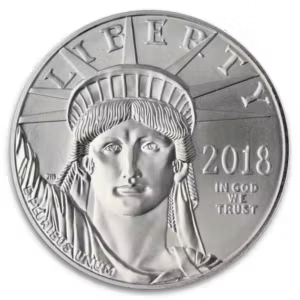
2018 American Platinum Eagle bullion coin
Platinum has a well-established investment infrastructure. Government mints produce platinum coins in consistent annual runs – most notably the American Platinum Eagle and the Canadian Platinum Maple Leaf – and major refiners offer bars in a range of sizes. Exchange-traded products provide additional access for investors who prefer not to hold physical metal. Dealer networks are broad, and while premiums over spot can widen during periods of supply tightness, they are generally more contained than palladium’s. Resale is straightforward. For investors new to platinum-group metals, this accessibility is a meaningful advantage.
Palladium: A Thinner Market
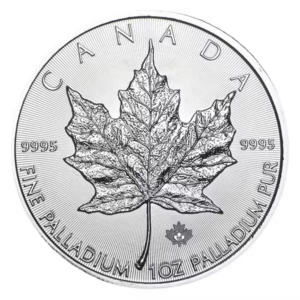
Canadian Palladium Maple Leaf bullion coin
Palladium’s investment market is considerably less developed. Government coin programs have been limited and inconsistent – the American Palladium Eagle and the Canadian Palladium Maple Leaf have both seen irregular releases rather than the consistent annual production that platinum coins enjoy, and historic issues like the Russian Palladium Ballerina carry collectible premiums that complicate straightforward bullion investing. Bars are available but less common, and the dealer network is narrower. ETF options like PALL exist for those seeking paper exposure, but the physical market lacks the depth and liquidity of platinum. Investors looking to buy and sell palladium efficiently may find the process more cumbersome and the spreads less favorable.
For investors weighing platinum vs palladium, platinum’s more mature market is a practical consideration that goes beyond price alone.
Price Determinants and Market Dynamics
The price of each metal is ultimately shaped by the balance between supply and demand that is heavily tied to the automotive sector. Those fundamentals have played out differently for each metal, and the outlook diverges further from here.
Platinum: Surplus and Undervaluation
Platinum has often run in surplus in recent years, with production exceeding demand – a dynamic that has weighed on prices and kept them below historical norms. The decline of diesel in Europe remains an unresolved headwind. However, growing interest in platinum as a substitute for palladium in gasoline catalysts, combined with its emerging role in hydrogen fuel cell technology, represents a potential demand catalyst that the market is beginning to price in.
Palladium: From Deficit to Uncertainty
Palladium spent much of the last decade in a structural deficit, with demand consistently outpacing supply – a key driver of its historic price surge. That deficit has narrowed as automotive production has fluctuated and substitution away from palladium has begun. The longer-term question is how quickly electric vehicle adoption erodes gasoline engine demand, and whether Russian supply (which represents roughly 40% of global output) remains stable and accessible.
Supply-Demand Balance Going Forward
Both metals face a market in transition. Platinum’s surplus may ease if substitution and hydrogen demand materialize. Palladium’s structural advantage has weakened. Investors should treat palladium vs platinum price outlooks as evolving rather than settled.
Investment Case for Each Metal
Each metal has a legitimate place in a precious metals portfolio, but they suit different investor profiles, and the risks attached to each are distinct.
Platinum: Defensive Value With Upside Potential
Platinum’s current appeal rests largely on its undervaluation relative to historical norms. Its diversified demand base – spanning automotive, industrial, and jewelry – provides more stability than palladium, and its established investment market makes it accessible and liquid. The longer-term upside lies in hydrogen fuel cell technology and growing substitution in gasoline catalysts, though neither is guaranteed to materialize quickly. Surplus conditions have weighed on prices in recent years, and the structural decline of diesel remains an unresolved headwind – investors in platinum are to some degree making a patient bet on demand catching up with supply.
Palladium: High Conviction, Higher Risk
Palladium’s investment case has historically been built on scarcity: structural deficits, geopolitically exposed supply, and irreplaceable demand from gasoline engine production. That combination drove one of the most dramatic price runs of any commodity in recent memory. The picture is more complicated now. The electric vehicle transition threatens its primary demand driver over the long term, platinum substitution is already underway in some catalyst applications, and questions around Russian state stockpile availability add further uncertainty. Palladium still carries a risk premium worth watching, but the platinum vs palladium investment decision ultimately depends on individual risk tolerance.
Portfolio Allocation Strategies
There is no universal answer to how much platinum or palladium belongs in a portfolio, but there are useful frameworks for thinking through the decision.
Single Metal Selection
For investors choosing one or the other, the decision largely comes down to risk tolerance and time horizon. Platinum suits those seeking lower volatility and a more defensive position within precious metals – particularly investors who believe the metal is currently undervalued relative to its history. Palladium suits those with higher risk appetite and a shorter time horizon, willing to accept sharp price swings in exchange for exposure to a supply-constrained market.
A Combined Approach
For investors who don’t want to choose between platinum vs palladium outright, owning both reduces exposure to the risks specific to either one and allows them to benefit from the different dynamics driving each market.
Ratio Trading
Some investors actively monitor the platinum-to-palladium price ratio, buying whichever metal appears undervalued relative to the other and rebalancing as the relationship shifts. The ratio has shifted dramatically over the past decade rather than reverting cleanly to a historical mean, so this approach requires ongoing attention and a clear view on the longer-term direction of each market.
Allocation Splits
A common approach is to weight the combined PGM allocation toward platinum given its more liquid market and lower volatility, with a smaller palladium position for upside exposure. The exact split depends on individual circumstances.
PGMs Within a Broader Metals Portfolio
Platinum and palladium are typically held as satellite positions alongside a core gold holding, adding industrial demand exposure and diversification that gold and silver alone do not provide and that complement a well-structured precious metals portfolio
Conclusion
Platinum and palladium share more than most investors realize and differ in ways that matter more than most appreciate. Platinum offers a more established investment market, lower volatility, and a diversified demand base that supports a long-term value argument. Palladium offers higher risk and higher potential reward, with a supply profile that can move prices dramatically. For most investors, palladium vs platinum differences ultimately come down to which fits their portfolio, their risk tolerance, and their timeline. Explore Blanchard’s selection of platinum and palladium products to add these rare precious metals to your investment portfolio.
FAQs
1. What is the difference between palladium and platinum?
Platinum and palladium are both rare precious metals in the platinum-group family, but they differ in density, industrial applications, supply sources, and investment accessibility. Platinum is denser, more versatile across industries, and has a more developed investment market, while palladium is lighter, more concentrated in automotive demand, and subject to greater price volatility.
2. What are platinum and palladium used for?
Both metals are primarily used in automotive catalytic converters – platinum in diesel engines and palladium in gasoline engines. Beyond automotive, platinum has a broader industrial footprint spanning chemical processing, petroleum refining, and jewelry, while palladium sees additional use in electronics and dentistry.
3. Is platinum or palladium a better investment?
Neither metal is categorically better. Platinum offers lower volatility and a more liquid market, making it more suitable for conservative investors, while palladium’s supply constraints and price sensitivity appeal to those with higher risk tolerance and a shorter time horizon.