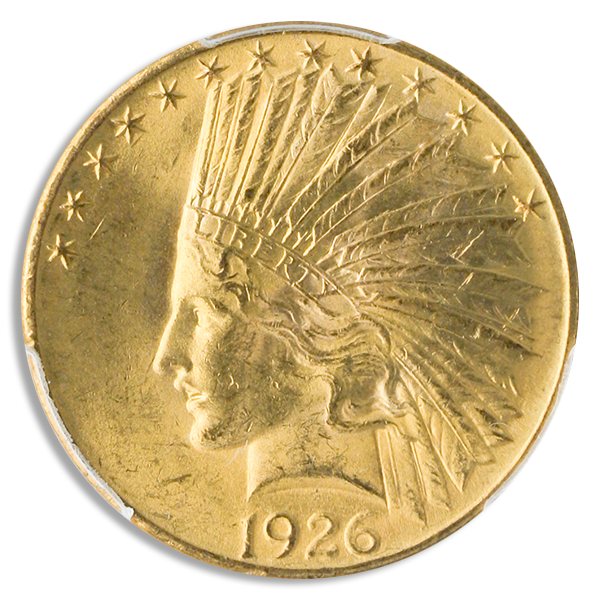
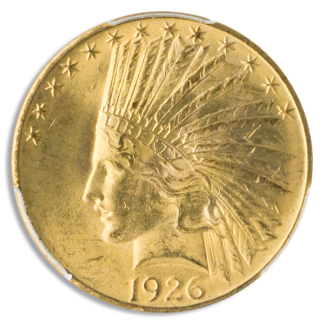
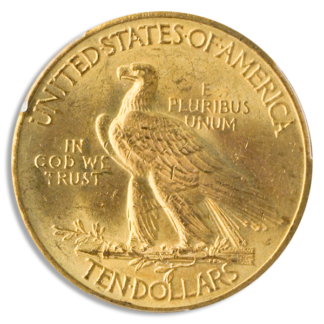
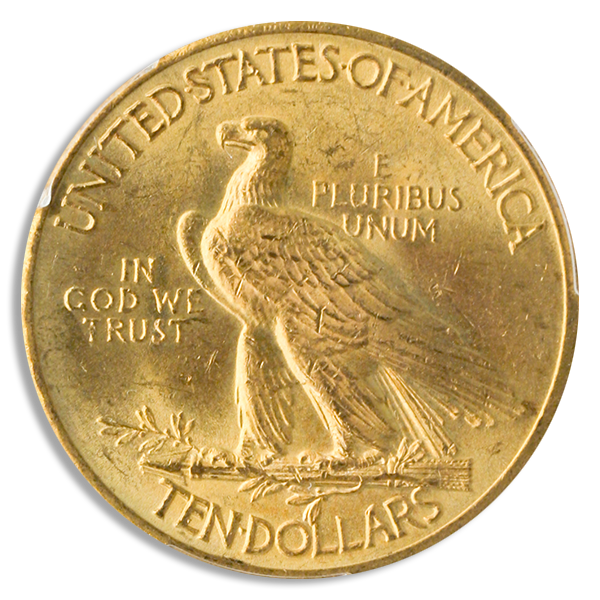
$10 Indian Certified MS64 (Dates/Types Vary)
Price
$2,887.00
(3793 reviews)
Michael Jones
2026/08/03
Great prices and i like the delivery carriers and time of delivery.
chris roca
2026/08/02
ordered just once before and i loved the quality of all the coins i recieved
joan perry
2026/08/01
it was a little difficult to set up new acct but the link to bank acct was easy to do and it had the cheapest silver rounds today
Paul
2026/08/01
Fast shipping. Highly recommended!
Herbert Finch
2026/07/31
Convenient.
Eric Filbeck
2026/07/31
Great prices and service!
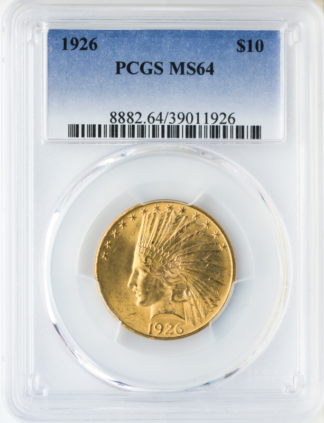
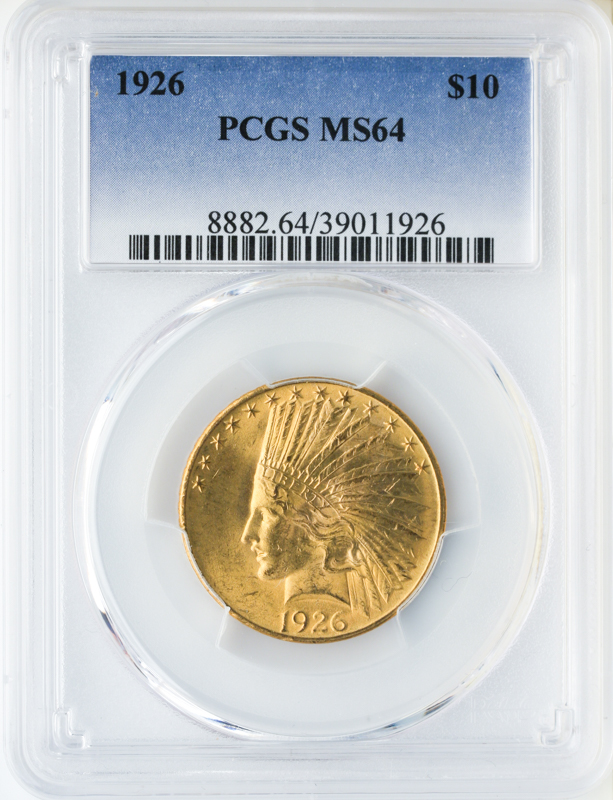
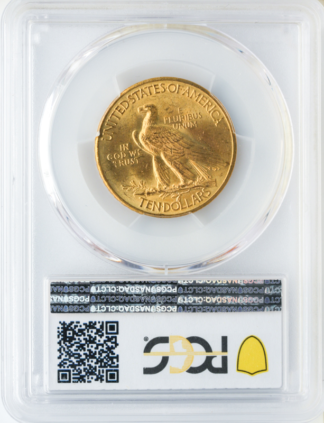
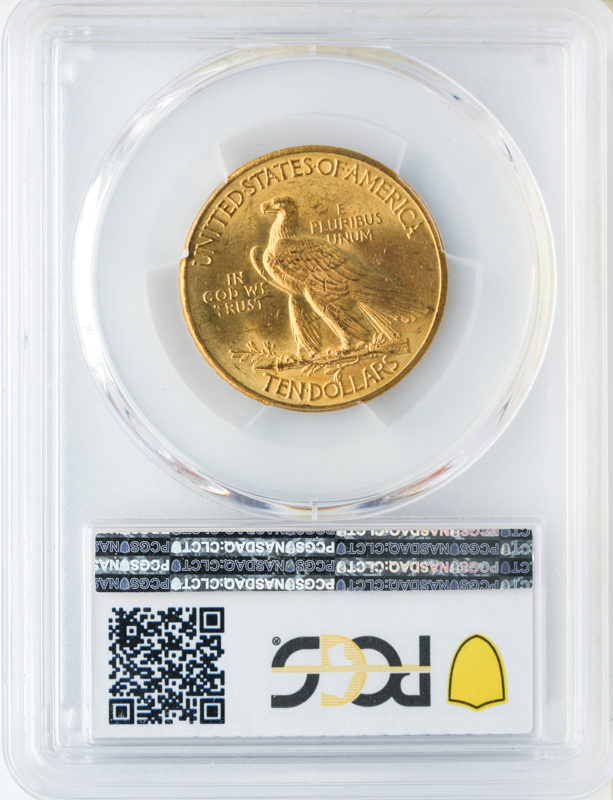
| At the beginning of the 20th century, President Theodore Roosevelt decided it was time for American coins to change. He felt our currency should be equal to or better than the ancient Greeks’. So he turned to one of the most celebrated artists of the day, Augustus Saint-Gaudens, to help him. Saint-Gaudens designed the striking $10 Indian Head Eagle, drawing inspiration from ancient Roman and Greek tradition. The features of Lady Liberty, such as her smooth, idealized facial contours and prominent, straight nose, echo the classical style of Greek coins, which often portrayed figures with idealized and harmonious facial proportions. The serene and composed expression on Liberty's face is similar to the calm and dignified expressions typically found on Greek coins, reflecting an idealized form of beauty and nobility. The treatment of Liberty's hair, depicted in a stylized and flowing manner, is akin to the way hair was often rendered on Greek coins, with attention to texture and form to enhance the overall aesthetic. The overall effect is one of idealized and timeless beauty. Additionally, the detailed and high-relief design of the Liberty head is similar to the intricate and raised relief work often seen on Greek coins. The use of natural elements, like the headdress feathers, mirrors how Greek coins often depicted detailed elements of nature. The stars surrounding the head on the obverse side of the coin are akin to the decorative elements found on some Greek coins, which often included stars, laurel wreaths, or other symbols. On the reverse side, the eagle is a common theme in both Greek and American coinage, symbolizing strength and freedom. The pose and detail of the eagle also recall the artistic style used in ancient Greece. These aspects demonstrate a classical influence on the coin's design, blending American themes with an ancient Greek numismatic aesthetic. The $10 Indian Head gold coin was minted from 1907 to 1933 and contains .48375 troy ounces of gold. Its composition is 90% gold and 10% copper, and it is 2.03 mm in thickness, 27 mm in diameter, and 16.718 grams in weight. The coins was struck at the San Francisco, Philadelphia, and Denver mints. The MS64 coin grade features moderate contact marks in less distracting areas, preserving its visual appeal. It boasts abundant original luster or toning, making it a desirable piece for collectors seeking high-quality coins with minor imperfections. |
| Metal | Gold |
|---|---|
| Weight | 0.4838 |
| Grade | MS64 |
Comparison Chart