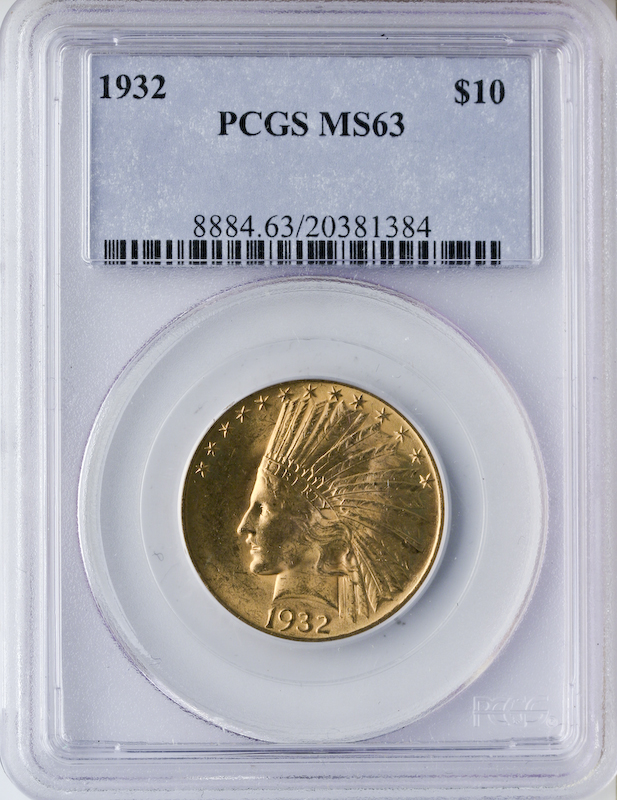
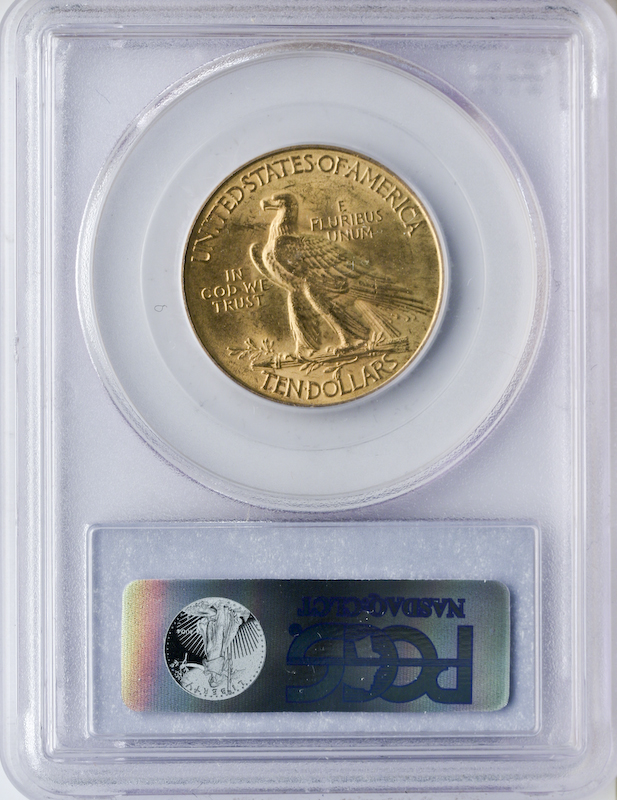
$10 Indian Certified MS63 (Dates/Types Vary)
Price
$2,764.00
(3689 reviews)
william oakes
2026/06/20
Pleased!!!
Cath
2026/06/20
No assay provided on item I bought,
Eric Filbeck
2026/06/20
Great service and prices! Thank you
RAF
2026/06/20
Been buying Ag from Blanchard since 2011, they always do right by me.
Christopher Otto
2026/06/19
always great
Gary F Felkins Sr
2026/06/19
I had a hard time checking out on my first two attempts
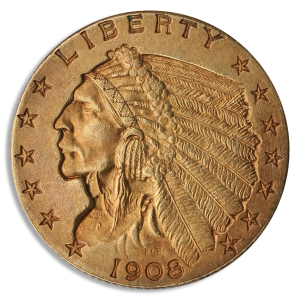
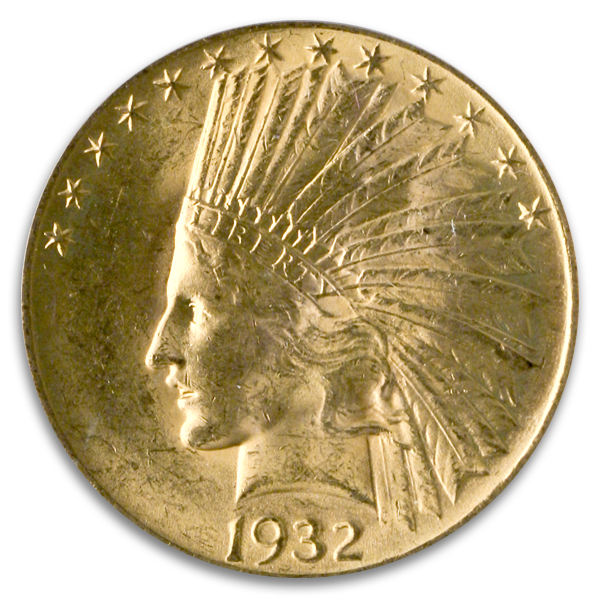
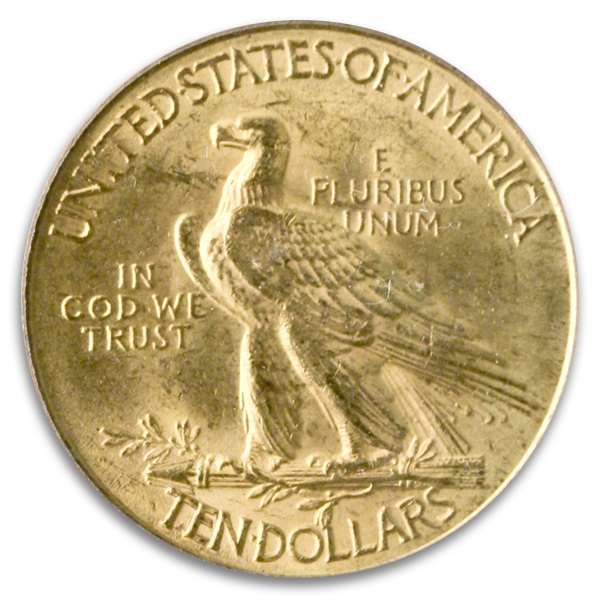
| Throughout his distinguished career, Augustus Saint-Gaudens revitalized American sculpture, moving it away from a tired Neoclassical style towards a vibrant, naturalistic approach. He was a passionate advocate for the development of a distinctly American school of sculpture. Born in Dublin, Ireland, to a French father and an Irish mother, Saint-Gaudens immigrated to New York as an infant, where his father ran a successful boot and shoe business. At thirteen, he began an apprenticeship with a stone cameo cutter, and by the age of twenty, he had gained entrance to Paris’ prestigious École des Beaux-Arts. It was to Saint-Gaudens that President Theodore Roosevelt turned when he wanted to remake American coinage. The two shared an appreciate for ancient Greek coins, which they used to transform the coins of their day. The obverse of the $10 Indian Head Eagle features a striking image of Lady Liberty adorned with a feathered headdress, a departure from the traditional Phrygian cap. This choice was at the direct instruction of Roosevelt. The word "LIBERTY" is inscribed on the headband, with the year of minting placed below Lady Liberty’s neck. The narrative behind the design is intriguing. Some claimed the image of Liberty was based on Davida Clark, Saint-Gaudens’ mistress, while others believed it depicted Mary Cunningham, an Irish-born waitress. The reverse side of the coin showcases a majestic eagle standing on an olive branch and a bundle of arrows, echoing ancient Roman symbols of peace and strength. The inscriptions "UNITED STATES OF AMERICA" and "TEN DOLLARS" encircle the eagle. Minted from 1907 to 1933, with intermittent production between 1916 and 1933, the $10 Indian Head Eagle contains .48375 troy ounces of gold. The coin is composed of 90% gold and 10% copper, measures 2.03 mm in thickness, 27 mm in diameter, and weighs 16.718 grams. Production took place at the Philadelphia, San Francisco, and Denver mints. |
| Metal | Gold |
|---|---|
| Weight | 0.4838 |
Comparison Chart